
Early one morning, I woke up to see that my Google Business Profile rankings had stalled completely. Despite following all the supposed best practices, my local calls weren’t increasing. Frustration set in—I’d put so much effort into optimizing, yet nothing changed. Then, I had a lightbulb moment: maybe I’d overlooked a few simple tweaks that could make a huge difference.
Why Small Changes Can Lead to Big Results
If you’re like I was, you probably believe that more advanced strategies or expensive tools are the answer to boosting your local calls. But in reality, sometimes just a handful of simple, targeted Facebook market-style tweaks can deliver a 30% increase—no need for complex overhauls. These tweaks are easy to implement and, when done right, can transform your local engagement almost overnight. Interestingly, a recent study by BrightLocal found that 76% of local searches result in a phone call or visit, underscoring how critical these small optimizations really are for business growth.
Have you faced the frustration of working hard on your local SEO, only to see minimal return? If yes, you’re definitely not alone. Overcoming those invisibility patches is possible, and I’m here to walk you through four proven simple tweaks that can turn your local presence around in 2026. Want to dive into how tiny adjustments can lead to big gains? Let’s get started.
Update Your Business Categories for Precision
Start by reviewing your primary and secondary categories to ensure they match your services exactly. I once changed my categories from generic “Plumber” to “Emergency Plumbing Services”—the impact was immediate, and my call volume increased noticeably. Search engines prioritize categories that align with user queries, so specificity matters. For detailed categorization strategies, check this guide.
Optimize Business Descriptions with Local Keywords
Craft a compelling, keyword-rich description that highlights local relevance and unique selling points. When I crafted mine emphasizing “Downtown Austin” and “Family-Owned,” I saw a boost in local intent searches. Use natural language, avoid keyword stuffing, and focus on what your customers care about. Remember, Google scans these descriptions for signals; make it count.
Synchronize NAP Consistency Across Citations
Ensure your Name, Address, Phone number (NAP) is consistent everywhere—your website, social media, directories. I once discovered a mismatch in my NAP across Yelp and Bing, which kept my listing from ranking higher. Regular audits can prevent local ranking drops. Use tools or services dedicated to citation management, or manually check critical directories and fix discrepancies.
Boost Your Photos with Strategic Optimization
Visuals are crucial. Upload high-quality, branded photos taken from multiple angles and your shop interior. Add descriptive filenames incorporating local keywords; for example, “Austin-Family-Run-Plumbing-Exterior.jpg.” Replace low-quality images with optimized ones to improve engagement and rankings. For more, see this photo optimization.
Leverage Google Posts for Engagement
Consistent posting informs Google that your profile is active and relevant. Share weekly updates, promotions, or local news. I tested posting a special offer linked to a local event, which generated quick calls. Make your captions keyword-rich and include local identifiers. Use this strategy to maximize visibility.
 Many practitioners assume that optimizing Google Business Profiles (GBPs) and local SEO is a straightforward process of keyword stuffing and listing updates. However, in reality, the landscape is far more nuanced, and misunderstanding these subtleties can lead to missed opportunities or even ranking penalties. Let’s dig deeper into what most people overlook, challenge some common myths, and reveal advanced mistakes that could be sabotaging your efforts.
One prevalent myth is that keyword density in your GBP description directly correlates with higher rankings. While including relevant keywords is important, overdoing it can trigger Google’s spam filters, resulting in ranking suppression. Google’s algorithms have evolved to prioritize user experience, and keyword stuffing now does more harm than good. Instead, focus on crafting natural, valuable descriptions that incorporate local keywords seamlessly, as advised in our comprehensive 2026 optimization guide.
Another trap is the misconception that flashy photos or numerous images automatically improve your GBP ranking. In fact, image quality and relevance matter more than quantity. Low-quality or unoptimized images may decrease engagement or even harm your profile’s credibility. Strategic image optimization involves filename enhancement with local keywords, proper sizing, and descriptive alt text. For example, replacing generic exterior shots with clear, keyword-rich images like “Downtown-Austin-Plumbing-Exterior.jpg” can boost visibility. For refinement tips, see our photo optimization article.
What if my competitors are outranking me despite similar efforts? Is there a hidden signal they’re exploiting?
This is a common question among advanced SEO practitioners. Often, ranking advantages come down to subtle factors such as citation consistency, user review quality, or Google’s perception of trustworthiness. A comprehensive audit can reveal overlooked issues like NAP inconsistencies, missing local signals, or duplicate listings. Moreover, leveraging local engagement strategies like Google Posts or responding to reviews thoughtfully can help signal activity and authority to Google, as outlined in our tactics guide.
It’s crucial to understand that Google’s ranking algorithms are complex and multifactorial. Relying solely on generic optimizations can leave you blind to subtle yet impactful signals. Therefore, dedicating attention to nuanced details—including citation accuracy, review management, and active engagement—will put you ahead in competitive markets. Dive into our detailed local SEO strategies to strengthen your position.
Have you ever fallen into this trap? Let me know in the comments.
Keep Your Maps Rankings Steady: Tools and Techniques for 2026
As local SEO evolves rapidly, maintaining a consistent Maps ranking requires more than occasional tweaks; it demands the right tools and disciplined strategies. My personal favorite for ongoing monitoring is BrightLocal, which offers detailed citation audits, review tracking, and rank tracking all in one interface. I rely on BrightLocal because its automation saves me hours each week by alerting me to NAP inconsistencies or review drops that could negatively impact my rankings. Regularly auditing my citations with it ensures I stay compliant, and that Google perceives my business as trustworthy.
For backlink management and competitor analysis, I turn to Ahrefs. The reason is simple: Ahrefs provides precise backlink profiles and keyword opportunities. I use it to identify local linking opportunities—like mentions on community blogs or sponsorships—that boost my profile’s authority where it counts. The trend in 2026 points toward hyper-local backlinks, making tools like Ahrefs indispensable for strategic link-building efforts. Investing in such tools helps preempt ranking drops caused by algorithm updates or competitors’ aggressive local strategies.
Managing reviews remains crucial. I utilize Reputation.com to automate review solicitation and respond promptly. Reviews are a vital ranking factor, and automation prevents me from missing out on opportunities to engage my customers. Plus, with the increasing importance of review quality, I focus on guiding satisfied clients to leave detailed feedback that emphasizes local details, further signaling relevance to Google.
Additionally, data analysis from Google Search Console helps me identify search terms, click-through rates, and user behavior. This insight guides my content updates, like optimizing Google Posts or adding new local keywords—keeping my profile fresh and competitive.
How do I keep it working long-term, without falling behind?
Consistency is key. I schedule weekly audits, monthly backlink checks, and review management tasks. Advanced automation tools like Zapier help connect my review management and citation updates, reducing manual work. The future of local SEO will lean heavily on integration and automation, so I recommend adopting a unified dashboard that consolidates these functions. Keep an eye on emerging AI-driven tools that analyze ranking signals in real time; they’re poised to revolutionize maintenance routines. For instance, regular GBP optimization is essential to stay ahead in competitive local markets.
If you want to future-proof your profiles, start by integrating tools like BrightLocal and Ahrefs into your regular workflow. Experiment with automating review requests or citation checks—these small but powerful steps can safeguard your rankings as algorithm dynamics shift. Remember, consistency, combined with strategic automation, will keep your local visibility strong in 2026 and beyond.
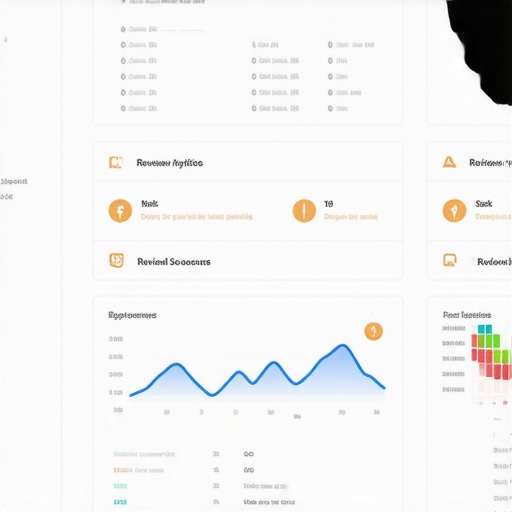
Strategic local SEO relies on a combination of smart tools and disciplined routines. Visualize your ongoing process with a dashboard showing citation health, review status, and ranking trends—all integrated seamlessly.
What I Got Wrong About Maps Ranking and How I Fixed It
One of my biggest lightbulb moments was realizing that heavily relying on generic optimization tactics was a trap. I learned that neglecting local nuances, like citation accuracy and review quality, can undermine even the best strategies. The hard lesson? High-quality, locally focused signals matter more than size or superficial tweaks.
Overlooking Small Details Can Cost You Big
I used to dismiss the importance of consistent NAP information across all directories, thinking it was a minor detail. Turning that around by auditing every citation flipped my rankings. This taught me that meticulous audit routines and strategic cleanliness in data can dramatically impact your visibility in 2026.
Why Genuine Engagement Outperforms Automation
Trying to automate every review request or post might seem efficient, but I found that personalized responses and active community engagement build trust and relevance, which Google rewards. Striking a balance between automation and genuine interaction has been key to sustainable growth.
My Unexpected Discovery About Keyword Inclusion
In the past, I believed stuffing keywords into descriptions was effective. Turns out, natural language infused with local intent accomplishes more. Google’s algorithm now prioritizes user experience over keyword density, compelling me to craft descriptive, context-rich content.
Which Hidden Signal Are You Ignoring?
Many overlook the subtle impact of review sentiment and frequency. I started encouraging more detailed, localized reviews, and the positive shift in my rankings was undeniable. Recognizing and optimizing these minor yet powerful signals can propel your local SEO efforts in 2026.
My Essential Toolkit for Maps Growth
Over time, I’ve trusted tools like Google Business Profile optimization guides for strategic insights, local SEO tactics for actionable steps, and regular audit tools to keep my profiles performing. These resources have consistently helped me adapt and excel in a rapidly changing landscape.
Fuel Your Drive: Take Charge of Your Map Rankings
Remember, the journey to dominant local maps rankings isn’t about overnight hacks—it’s about consistent, strategic improvements grounded in knowledge and genuine engagement. Embrace the nuances, apply what you’ve learned, and watch your visibility soar. Your local business deserves to be seen and heard—start today, and don’t hesitate to experiment with what works best for your community.
What has been your biggest breakthrough in optimizing your Google Business Profile? Share your experience below, and let’s grow together in 2026!
,

Leave a Reply