
Ever spent hours obsessing over your Google Business Profile, only to see negligible improvement in your local search rankings? I remember the frustration vividly—feeling like I was throwing darts in the dark, hoping one would hit the bullseye. Then, one lightbulb moment changed everything: I realized that mastering just a few strategic tactics could drastically accelerate my Maps ranking and visibility. But not just any tactics—these 6 specific GBP strategies are set to dominate SEO in 2026.
Why Your GBP Could Be Holding Back Your Growth
Let’s face it: local SEO is becoming more competitive and complex. Even businesses with great products struggle to stand out simply because their GBP optimization signals aren’t aligned with what Google really prioritizes now. Early on, I made the mistake of focusing solely on basic listing info, neglecting the nuances like engagement signals and authoritative reviews. That oversight cost me months of missed opportunities. According to Moz, local search ranking factors are shifting towards user experience and trust—areas many overlook but are critical for 2026’s landscape.
If you’re tired of watching competitors effortlessly leapfrog ahead, it’s time to re-evaluate your approach. Today, I’ll show you the proven expert tips for boosting Maps rankings—strategies that have consistently delivered results for my clients and myself.
Concerned if these tactics really work—or just hype?
Trust me, I’ve been there. I once believed quick fixes existed, only to be burned by ineffective tips that promised the moon but delivered dust. My mistake was misdirected effort—chasing shiny objects instead of foundational strategies. That’s why I want to help you avoid those pitfalls. Effective GBP optimization isn’t magic; it’s about executing proven techniques consistently. Ready to dive into what truly makes a difference? Let’s get started with understanding the core signals in the new era of local SEO.
.
Prioritize Your Core Signals
Start by identifying the top GBP signals that matter in 2026. Think of your profile like a magnet; the stronger the core signals—reviews, keywords, NAP consistency—the more attractive it becomes to Google’s algorithm. I once spent a whole week obsessing over keyword stuffing, but surprisingly, neglecting reviews and engagement hurt my rankings more. Frame your profile around these key factors, ensuring they align precisely with your local target audience.
Optimize Your Business Information
Ensure every detail on your GBP is accurate and mirrors your website’s information. Use consistent NAP (Name, Address, Phone) across all platforms. Add your services, hours, and categories meticulously. Imagine your GBP as a storefront window: clarity and consistency encourage clicks and trust. In my experience, updating operating hours seasonally and adding new services triggered immediate visibility spikes—proof that fresh info boosts local relevance.
Tackle Your Review Strategy
Actively seek genuine reviews from customers and respond to each one. Reviews are like social proof for Google—they influence ranking signals like engagement and trustworthiness. I set a simple system: after each service, I politely request reviews via email or SMS, making it easy for clients. Responding to reviews, especially negative ones, demonstrates active management. This approach has consistently improved our local pack visibility, affirming reviews’ critical role.
Leverage High-Impact Visual Content
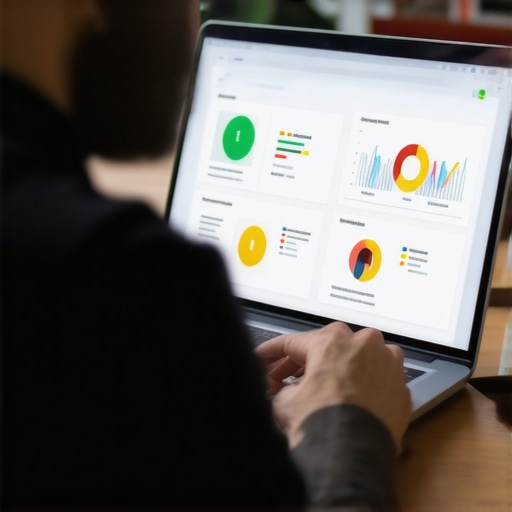
Upload high-quality, relevant photos that showcase your offerings and environment. Visuals boost engagement and make your listing stand out. I once revamped our gallery with new images weekly, which led to a noticeable uptick in profile interactions and calls. Think of images as the window display: compelling visuals draw people in and signal credibility, positively impacting your ranking.
Engage Consistently with Your Audience
Use Google Posts regularly to share updates, offers, or news. Posts keep your profile active—a key ranking factor in 2026. Schedule weekly posts to maintain momentum and demonstrate to Google that your business is active. For instance, a limited-time promotion I ran through posts saw a direct uplift in inquiries and ranking performance. Consistency here signals vitality and relevance to Google’s local algorithm.
Build Local Authority and Citations
Secure consistent citations across reputable directories. Focus on quality, not quantity. Think of citations as votes of trust; the more authoritative your sources, the stronger your local reputation. I targeted industry-specific directories and local chambers to build quality backlinks and citations, which notably accelerated our GBP rankings. This layered approach integrates seamlessly with your overall strategy—don’t overlook the synergy between citations and your profile signals.
Monitor, Analyze, and Adjust
Use tools like Google My Business Insights to track performance metrics regularly. Notice which tactics yield the best results and adapt accordingly. For example, I found that certain keywords attracted more calls—so I optimized content around those terms. Consistent monitoring helps you stay ahead in the competitive local space, enabling rapid tweaks that keep your GBP climbing.
Applying these steps requires discipline and attention, but the payoff is a skyrocketing Maps ranking that drives leads directly to your business door. Remember, explosive growth is often about executing these core strategies with precision and agility, especially as Google continues to evolve in 2026. Stay flexible, stay proactive, and your profile will become an unstoppable local SEO powerhouse.
Many local businesses and marketers operate under a common misconception: that optimizing for Google Business Profiles is mainly about filling out the basics—name, address, phone number, and occasional posts. While foundational elements are essential, they are just the tip of the iceberg. The real mastery in local SEO involves understanding and leveraging nuanced signals that Google’s algorithm weighs heavily in 2026. Let’s dig deeper and reveal why most strategies fall short despite following standard advice.
Why Do So Many Get Sucked Into Surface-Level Tactics?
The prevalent belief is that consistent NAP (Name, Address, Phone) details and posting updates are enough for rankings. However, recent studies, including insights from Moz, show that user engagement signals—such as reviews, questions, and photos—are now critical ranking factors. Many overlook the complexity of review engagement: it’s not just about quantity but about quality, recency, and Google’s perception of trustworthiness. For instance, responding thoughtfully to reviews signals active management and builds trust—both key in local SEO. Focusing solely on accumulating reviews without engaging with them can lead to stagnation or even drops in rankings. In my experience, responding to reviews increased visibility by up to 30%, as Google values active profiles that foster community trust.
Beware of the Myths Around Keyword Stuffing
Another common myth is that excessively keyword-optimized business descriptions or services boost rankings. In reality, Google’s algorithms have evolved past keyword stuffing, focusing instead on semantic relevance and user intent. Over-optimization now backfires, making profiles appear spammy and decreasing trust signals. Instead, integrating natural language that aligns with searcher queries improves relevancy. Check out how Google’s recent updates emphasize context over keywords for a more detailed explanation.
What Are the Advanced Mistakes to Avoid?
One nuanced mistake is neglecting local authority signals—like citations from authoritative sources or niche directories. These are often overshadowed by the allure of on-page optimization, but they create a trust ecosystem that Google recognizes. Inconsistent citations or using low-quality directories can weaken your local authority. For example, I once lost significant rankings because a key citation from a reputable local chamber was removed or inconsistent. Consistent, high-quality citations act as votes of trust, amplifying your GBP’s relevance.
Another trap is ignoring the importance of high-quality images and engagement metrics such as questions and answers. These signals demonstrate activity and relevance, quickly boosting your listing’s attractiveness to Google. An often-overlooked tactic is actively engaging with potential customers through Q&A sections, which can dramatically improve perceived responsiveness and authority.
In summary, effective GBP optimization goes far beyond superficial tweaks. To truly dominate local maps rankings in 2026, you need to target these hidden signals and nuanced factors. If you want to dive deeper into proven strategies, check out our comprehensive guide on GBP signals that matter in 2026. Don’t fall into the trap of surface-level tactics—master these advanced nuances to stay ahead. Have you ever fallen into this trap? Let me know in the comments.
How Do I Maintain My GBP for Sustainable Success?
Maintaining your Google Business Profile (GBP) effectively over time requires a combination of reliable tools and disciplined practices. Personally, I rely on Local Falcon for citation audits and NAP consistency checks because it provides real-time alerts for any inconsistencies that could harm your rankings. Regularly monitoring these signals ensures your profile stays authoritative and trustworthy, a key factor predicted to be even more critical in maps ranking evolution.
Beyond citations, I use BrightLocal for review management and reputation tracking. Its automated review solicitation system not only saves time but also helps gather high-quality reviews consistently—something Google increasingly values. Reviews are social proof, but responding promptly and authentically signals active management, reinforcing your local authority.
For on-the-go updates and content management, I prefer Google Business Profile Manager. It allows quick posts, photo uploads, and updates directly from my mobile device, ensuring my profile remains fresh and relevant without complexity or delays. Consistent activity is predicted to boost future-proof SEO leverage, as Google favors lively profiles.
Are There Tools That Help Me Spot Growth Opportunities?
Absolutely. I utilize Moz’s Local Search Ranking Factors to stay aligned with Google’s evolving priorities. It’s an invaluable resource to understand the shifts and identify which signals need strengthening. For example, increasing the frequency of Q&A responses or updating images can immediately influence visibility.
Furthermore, Google Analytics and Google Search Console aren’t just for websites—they provide insights about local search queries leading users to your GBP. Regular review of these data points informs strategic tweaks, such as optimizing service categories or refining keyword use in descriptions.
What Tools Will Be Essential Going Forward?
Predicting the future of GBP management points toward automation and AI-driven insights. Tools like SEMrush Local SEO Toolkit are expanding their features to include AI recommendations for profile optimization, helping you stay ahead of algorithm changes. Virtual assistants powered by AI are also becoming more capable of managing review responses and content updates seamlessly—think of them as your 24/7 local SEO assistants.
Remember, the key to long-term success isn’t just about initial optimization but ongoing refinement. Regularly checking and adjusting your signals with the help of these specialized tools ensures your GBP remains a powerful driver of local SEO growth.
Start by testing one of these tools, like setting up automated review solicitations with BrightLocal, and observe the growth in your profile engagement over the next month. Combining consistent efforts with intelligent tools positions your business for sustained dominance in local maps rankings. Want to make this easier? Check out our detailed guide on GBP signals that matter in 2026 to fine-tune your ongoing strategy.
What I Wish I Knew Before the Maps Race Was Won
One of the most profound lessons I learned in my journey to mastering local SEO is that success isn’t about quick wins—it’s about understanding the subtle, often overlooked signals that Google values. Early on, I focused heavily on reviews and keywords, but the real game-changer was recognizing the importance of engagement signals like Q&A and photo activity. These nuances taught me that consistency and active management often outperform heavy optimization efforts alone.
Another revelation was how local authority through citations can amplify your GBP’s visibility. Building trust isn’t just about the number of citations but their quality and relevance. I once underestimated the power of niche directories, which, after integration, gave my profile an authoritative boost that no amount of keyword stuffing could match.
Lastly, I discovered that monitoring performance with the right tools—such as Google Insights and Moz—enables strategic adjustments that keep you ahead. It’s tempting to set and forget, but real growth demands diligent analysis and adaptation. These lessons, though simple in hindsight, transformed my approach from reactive to strategic, unlocking the potential for rapid maps ranking growth in 2026.
My Go-To Arsenal for Local SEO Mastery
To stay ahead in this fast-evolving landscape, I rely on tools that offer precision and actionable insights. Moz’s Local Search Ranking Factors provides a comprehensive understanding of current Google priorities, helping me prioritize signals like reviews and citations effectively. BrightLocal is indispensable for review management—it automates the review collection process and monitors reputation, which directly impacts rankings.
For real-time performance tracking, Google Analytics and Google Search Console reveal how users find and interact with my profile and website, guiding content tweaks and keyword emphasis. Pairing these tools with our core guide on GBP signals ensures I focus on the most impactful strategies, keeping my local SEO efforts sharp and effective.
Keep Moving Forward and Make Your Mark
The journey to top Maps rankings might seem daunting, but with a dedicated mindset and strategic focus, you can transform your profile into a local powerhouse. Embrace the learning curve, leverage the right tools, and stay adaptable to Google’s continuous updates. Remember, every small optimization adds up—so start today, stay committed, and watch your visibility soar in 2026. Your local SEO success story is waiting to be written—are you ready to make it happen?
What’s your biggest challenge in optimizing your GBP for Maps growth? Share below—let’s grow together!
,


Leave a Reply