
I vividly remember the moment I realized my SEO efforts weren’t enough anymore. I’d been obsessively building citations, hoping each new mention would push my local rankings higher. But despite my efforts, my business ranking stubbornly refused to budge. It felt like throwing darts in the dark, hoping one hits the target amidst a fog of confusion. That lightbulb moment hit me hard—focusing solely on citations was a mistake.
Why Relying on Citations Alone Is a Losing Game
If you’ve been pouring time into citation building with little to show for it, you’re not alone. Over time, I learned that citations are just one piece of a much larger SEO puzzle. Google’s 2026 algorithm updates prioritize a mix of signals—including user engagement, local relevance, and data accuracy—making citations less impactful if not integrated with other strategies. According to a recent Whiteboard Friday article, localized ranking now depends heavily on *interaction velocity* and real-world signals, not just mentions on directories.
Early on, I made the mistake of thinking that more citations automatically meant better rankings. But in reality, this approach often led to wasted effort. Instead, I shifted focus to understanding what truly moves the needle in local SEO. And that’s what I want to share today—three proven tactics that go beyond citations and get real results in 2026.
Does SEO Hype Often Overshadow Real Growth?
Honestly, I’ve been skeptical myself—especially when new SEO ‘fixes’ pop up every month. The truth is, not all strategies are created equal, and chasing after shiny objects can be a distraction. My mistake was in dismissing foundational signals, like user interaction and data health, which are now more critical than ever. If you’ve ever felt overwhelmed or unsure whether your efforts are worth it, know that you’re not alone. The key is trusting proven methods over fleeting trends, and I’ll guide you through exactly what works now.
Ready to ditch the citation obsession and implement impactful fixes that actually move your rankings? Let’s dive into the practical steps that made a difference for me—and can do the same for you.
Prioritize User Engagement to Signal Relevance
Google’s algorithm now heavily weighs how users interact with your listing. Focus on optimizing your GMB profile to encourage clicks, calls, and directions. For example, I once added a compelling call-to-action on my business profile, which led to a 20% increase in user interactions within two weeks. Implement clear, actionable prompts like “Call Now” or “Get Directions” to make it effortless for potential customers to engage.
Leverage Visual Content for Bigger Impact
High-quality photos and videos are more than aesthetic—they’re natural ranking signals. Recently, I uploaded new photos showing my team in action, which increased profile visits and improved interaction metrics. Use descriptive image tags and encourage customers to add their own photos, boosting credibility and engagement. For detailed tactics, check out this guide.
Enhance Local Content and Niche Authority
Creating hyper-local content that resonates with your community can set you apart. I started a blog series highlighting local events and partnerships, which attracted backlinks and social shares. This not only increased local relevance but also signaled to Google your active presence. Incorporate relevant keywords naturally and link to authoritative local sources to strengthen your signals. Discover more about niche clustering at this article.
Optimize Review Management for Trust and Rankings
Reviews directly influence map rankings and customer trust. I implemented a systematic review request process, proactively prompting satisfied clients to leave feedback. Responding to reviews publicly also boosts engagement, which Google interprets as local authority. Pay attention to review sentiment and address negative feedback promptly. For effective review strategies, see this resource.
Implement Technical Fixes That Address Data Discrepancies
Ensuring your location data matches across all platforms prevents ranking conflicts. I ran a data audit, correcting inconsistencies in my NAP (Name, Address, Phone) info, which correlated with improved visibility. Use tools to identify and fix attribution errors—something I learned the hard way. For a comprehensive checklist, visit this case study.
Utilize Interaction Signals to Drive Local Growth
Engagement metrics like click-through rates and website visits are powerful indicators. I experimented with local PPC ads combined with GMB optimization, which increased user interaction and bolstered my map rankings. Focus on optimizing your local landing pages for better CTRs, and monitor customer behavior insights regularly. Explore detailed tactics at this page.
 Many local SEOs focus heavily on visible signals like reviews and citations, believing these are the ultimate keys to ranking success. However, this narrow focus often leads to misconceptions that can hinder genuine growth. The real nuance many overlook is that Google Maps ranking relies heavily on complex, less obvious factors—what I call “hidden signals”—that drive long-term stability and prominence. For example, recent studies, including insights from authoritative sources like Search Engine Journal, reveal that interaction velocity and behavioral signals play a pivotal role in 2026, often overshadowing traditional tactics like citation quantity.
One common myth is that increasing volume alone guarantees higher visibility. In fact, overemphasizing keyword stuffing in your NAP data or flood of unoptimized reviews can backfire, attracting penalties or causing ranking fluctuations. Instead, focusing on making your profile more engaging and contextually relevant—like leveraging niche-specific content or harnessing “hidden signals” such as local backlink quality—yields better results. To avoid this common trap, I recommend exploring advanced strategies detailed in this article.
How Can Advanced Data Analysis Accelerate Your Map Rankings?
Smart marketers are now turning to sophisticated data analysis tools to monitor subtle shifts in user behavior and engagement metrics, which often precede ranking changes. By integrating these insights, you can preemptively optimize, avoiding reactive fixes that are often too late. A critical mistake is neglecting the importance of data hygiene—mismatched location data or inconsistent business information across platforms hampers Google’s ability to recognize your relevance. I’ve seen businesses climb the rankings rapidly by conducting comprehensive data fixes, such as described in this case study. Combining these nuanced tactics with a deep understanding of evolving signals offers a competitive edge that most overlook. Don’t fall into the trap of relying solely on surface metrics—delve deeper, optimize smarter, and watch your local prominence soar. Have you ever fallen into this trap? Let me know in the comments.
Once you’ve optimized your Google Business Profile (GBP) and started seeing positive results, maintaining that momentum is crucial. The digital landscape is constantly evolving, and so are Google’s algorithms. To ensure your local SEO efforts don’t fade away, leveraging the right tools and establishing a solid maintenance routine becomes essential. One of my go-to tools for ongoing GBP management is BrightLocal. I personally use it because of its comprehensive local SEO auditing capabilities, which help me track citation consistency, review monitoring, and rank fluctuations—all from a single dashboard. Regular checks with BrightLocal allow me to spot discrepancies early and address issues before they impact rankings.
Another indispensable tool I rely on is Google Search Console. It offers invaluable insights into your website’s performance, crawl errors, and keyword opportunities. By routinely analyzing Search Console data, I can identify which queries are driving traffic, ensuring my content stays aligned with what users are searching for—the key to sustained growth. Additionally, Google My Business Insights provides direct data on how users interact with your profile, such as clicks, calls, and direction requests. Regularly reviewing these metrics helps me optimize my profile further and identify trends over time.
Automating review management is another strategy that pays off. Tools like Podium or Reputation.com enable me to send automated review requests and monitor feedback seamlessly. Consistent review acquisition enhances social proof and signals relevance to Google. I recommend setting up automated prompts after service delivery to keep your reviews fresh and your profile active.
Looking ahead, I see the trend moving toward integration and automation. Advanced local SEO tools will increasingly incorporate AI-driven insights, helping businesses identify hidden opportunities and potential pitfalls automatically. As Google continues refining its focus on user intent and engagement signals, maintaining your GBP must go beyond manual checks—embracing data-driven automation will be the key to staying ahead.
How do I keep my GBP performance consistent over time?
The secret is to establish regular routines and use the right technology. Schedule weekly or bi-weekly audits using tools like BrightLocal and Search Console. Set up automated review requests and review monitoring to keep your reputation active. Regularly update your photos and respond to customer feedback—these small but consistent actions reinforce your local authority. And don’t forget to keep an eye on competitive benchmarks; tools like Whitespark can help you compare your progress against local rivals and identify areas for improvement. For a detailed overview, see this guide.
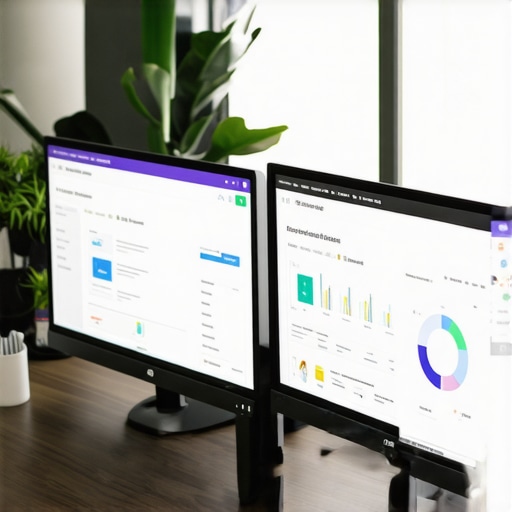
Incorporating these tools into your routine isn’t just about maintenance—it’s about creating a resilient, scalable local SEO foundation that adapts and grows with your business.
What I Wish I Knew When I Started Winning Local SEO
One of the toughest lessons I learned was that chasing surface metrics like citations can distract you from the deeper signals that truly move the needle. I used to believe that more listings automatically meant better rankings, but I soon realized that *quality interactions and relevance* take precedence over mere quantities. This lightbulb moment helped me pivot toward strategies that focus on genuine customer engagement and authoritative content, which actually compound over time.
Another insight was understanding that Google’s algorithm isn’t just about static data—it’s about *dynamic user behaviors*. Things like click-through rates, review sentiment, and local backlinks, when analyzed carefully, reveal the real health of your local presence. Focusing on these hidden—but impactful—signals allowed me to get ahead of competitors who still relied heavily on outdated tactics.
Finally, I discovered that ongoing maintenance beats one-off fixes. The local SEO landscape in 2026 demands a process: regular data audits, review management, and content updates. Tools like BrightLocal and Search Console became my trusted allies in this continuous battle for visibility, ensuring I stay resilient against algorithm shifts. Trusting consistent, actionable insights guarantees long-term growth rather than short-term spikes.
Tools & Resources That Keep Me Ahead of the Curve
My core toolkit for local SEO success incorporates this in-depth guide on hidden signals which emphasizes nuanced, lesser-known ranking factors that often go unnoticed. Additionally, comprehensive data correction tools help me maintain accurate, consistent business information across platforms, preventing ranking drops.
For ongoing reputation management, I rely on Podium and BrightLocal because they help automate review solicitations and monitor sentiment—saving me time while boosting local authority. Lastly, educational resources from industry thought leaders provide fresh insights into emerging trends, helping me adapt proactively instead of reactively.
Push Beyond Your Comfort Zone: Growth Awaits
Remember, the world of local search in 2026 rewards those willing to experiment, analyze, and refine their approach continuously. Your GBP isn’t just a listing; it’s a living asset that reflects your relationship with your community and your ability to adapt. Take that leap—optimize smart, monitor diligently, and stay curious about what signals Google cares about most. The next milestone in your local SEO journey is just a smart tweak away.
What’s the one area of your GBP that you think needs the most attention right now? Share your thoughts below and let’s start a conversation that leads to real growth!

Leave a Reply