
My Journey to Better Google Maps Rankings: A Personal Insight
When I first started optimizing my Google Business Profile (GBP), I quickly realized how competitive local SEO could be. I remember spending hours trying to figure out why my listing wasn’t climbing the ranks. It was only after I adopted a strategic approach, focusing on proven GBP optimization tips, that I saw real results. Today, I want to share my story and some actionable strategies that helped me boost my Maps ranking faster than I imagined.
Unlocking the Power of Accurate NAP Data and Consistency
One of the first lessons I learned was the importance of ensuring my Name, Address, and Phone number (NAP) were consistent across all online platforms. Inconsistent NAP data can severely hinder your local SEO efforts. I used tools like Moz’s Local Listing Score to audit my citations and correct discrepancies. Maintaining uniformity not only improved my credibility but also signaled to Google that my business was trustworthy, helping my GBP climb the rankings.
How to Optimize Your Google Business Profile for Faster Results
Optimizing your GBP involves more than just filling out basic information. I focused on adding high-quality photos, responding to reviews, and utilizing keywords naturally in my business description. According to this comprehensive guide, these steps significantly impact your local SEO traction. Consistent updates and engaging content keep your profile active, which Google favors in rankings.
What Are the Most Overlooked Factors in Maps Ranking?
Ever wondered what else truly influences your ranking besides reviews and citations?
Honestly, I found that local backlinks and behavioral signals, like clicks and calls, play a crucial role. Building local backlinks from reputable websites helped strengthen my profile’s authority. Additionally, tracking user interactions gave me insights into what was working, enabling me to refine my strategies. For more detailed tactics, check out this resource.
If you’re serious about boosting your Google Maps ranking, I encourage you to experiment with these proven tips and share your results in the comments below. Your experience might inspire others to accelerate their local SEO journey!
Leveraging Local Backlinks for Enhanced Maps Visibility
One often overlooked aspect of local SEO is the power of building high-quality local backlinks. These backlinks from reputable local websites, such as community blogs, industry associations, or local news outlets, significantly boost your business profile’s authority. To effectively acquire these backlinks, consider sponsoring local events or contributing guest articles. These tactics not only enhance your credibility but also signal to Google that your business is a trusted local resource. For more insights, explore this comprehensive guide.
The Role of Behavioral Signals in Maps Ranking
Beyond citations and reviews, behavioral signals like clicks, calls, and direction requests are vital indicators of relevance and user engagement. Google interprets these actions as signals of your business’s trustworthiness and popularity. To optimize these metrics, ensure your profile provides clear, compelling calls-to-action (CTAs), such as “Call Now” or “Get Directions.” Additionally, monitor your analytics to identify which keywords and content drive the most user interactions. For in-depth tactics, visit this resource.
Can Optimizing for User Intent Outperform Traditional SEO Tactics?
How can understanding and aligning with local user intent elevate your Maps ranking faster?
Understanding the specific needs and search intent of your local audience allows you to tailor your GBP content and keywords more effectively. For example, optimizing your profile with keywords like “emergency plumber in Downtown” or “best pizza near Central Park” aligns your profile with actual search queries. This targeted approach not only improves your relevance but also increases your chances of appearing in the coveted Local Pack. To master this, consider tools like Google’s Keyword Planner or local search data analysis. For practical application, see this article.
If you found these strategies helpful, share your experiences or ask questions in the comments. Also, check out our detailed guides to further boost your local SEO success!
Deepening the Dive: The Nuances of Local Backlink Building and User Behavior
As I continued my journey into optimizing my Google Business Profile, I discovered that the landscape is far more nuanced than the basic tactics often touted. For instance, building local backlinks isn’t just about acquiring links from reputable sites; it’s about cultivating genuine relationships within your community and industry. I found that sponsoring local events or partnering with nearby businesses to create joint content not only earned valuable backlinks but also enhanced my local authority and trustworthiness. These efforts, though time-consuming, yielded long-term benefits that outpaced quick link-building schemes.
Moreover, understanding and leveraging behavioral signals became a game-changer. Google’s algorithms are increasingly sophisticated in interpreting user engagement metrics—clicks, calls, and directions— as indicators of your business’s relevance and quality. I learned that optimizing these signals requires a holistic approach: ensuring your profile features compelling calls-to-action, maintaining a fast and mobile-friendly website, and actively encouraging satisfied customers to leave reviews. Tracking these interactions through Google Analytics and Search Console provided insights that allowed me to fine-tune my profile and content, fostering a virtuous cycle of engagement and ranking improvement.
The Power of Contextual Keyword Optimization and Personalization
One aspect I underestimated initially was the importance of contextually relevant keywords rooted in local user intent. Instead of generic keywords, I started to analyze specific search queries my target audience used, such as “emergency plumber near me” or “best vegan bakery in Brooklyn.” Tools like Google’s Keyword Planner and local search data helped me craft a profile that resonated more authentically with my community’s needs. This tailored approach not only improved my rankings but also enhanced user trust and conversions.
Personalization also played a critical role. By sharing stories of real customers and highlighting community involvement, my profile became more relatable and trustworthy. I realized that Google favors profiles that demonstrate genuine community engagement and authentic local relevance, which often translates into higher rankings and better visibility in the Local Pack.
Reflecting on My Experience: The Journey Never Ends
Looking back, the most valuable lesson I’ve learned is that local SEO is an ongoing process—one that rewards consistency, authenticity, and strategic adaptability. While quick wins can provide initial momentum, sustainable growth demands continuous effort, monitoring, and refinement. Every new review, backlink, or engagement activity is a piece of the larger puzzle, contributing to your overall local authority and ranking power.
If you’re embarking on or deepening your local SEO journey, I encourage you to experiment with these nuanced tactics, share your experiences, and stay curious. The landscape evolves rapidly, and your insights might inspire others to refine their strategies further. Remember, success in Google Maps rankings isn’t just about algorithms—it’s about building trust and lasting relationships within your community.
Harnessing Community-Centric Backlink Networks for Long-Term SEO Authority
Building local backlinks transcends simple link acquisition; it involves nurturing genuine community relationships that organically generate authoritative links. I found that sponsoring local workshops, collaborating on community-driven content, and participating in industry meetups cultivate authentic backlinks that resonate with Google’s E-A-T principles. These endeavors not only bolster your local SEO but also embed your brand into the community fabric, creating a sustainable competitive advantage. For a comprehensive approach, explore this detailed guide.
Deciphering and Leveraging Behavioral Signals for Precision Ranking
Beyond citations and reviews, behavioral metrics like click-through rates, call actions, and direction requests serve as real-time indicators of user satisfaction and relevance. I optimized these signals by designing compelling, high-visibility calls-to-action within my profile, ensuring my website was optimized for speed and mobile responsiveness, and actively encouraging positive customer interactions. Utilizing tools like Moz’s Local Listing Score helped me quantify these signals and refine my strategies. These efforts created a feedback loop, continuously enhancing my profile’s engagement metrics and, consequently, my rankings.
Can Deep Local Keyword Optimization Outperform Broad SEO Tactics?
Absolutely. Deeply understanding niche-specific search queries and integrating them into your profile creates a powerful synergy that outperforms generic SEO efforts. For example, optimizing for intent-driven keywords like “urgent plumbing services in Midtown” or “artisan bakery near Brooklyn Bridge” aligns your profile with highly targeted searches, increasing your chances of appearing in the coveted Local Pack. Employing tools such as Google’s Keyword Planner or analyzing local search trends enables you to craft contextually relevant content that resonates authentically with your community’s needs. For detailed insights, visit this resource.
Engage with these advanced tactics, share your experiences, and let’s elevate local SEO to new heights together. Your journey might inspire innovative strategies for others navigating this complex landscape.
Integrating Hyper-Local Content Strategies for Enhanced Engagement
Creating hyper-local content tailored to specific neighborhoods or micro-communities can dramatically increase relevance and user engagement. I started sharing stories of local customers, highlighting community events, and showcasing neighborhood-specific offerings. This approach humanized my profile, fostered trust, and signaled to Google my genuine local involvement. Additionally, leveraging user-generated content—such as customer photos or local testimonials—further reinforced authenticity. These strategies, aligned with Google’s focus on personalized search experiences, significantly improved my visibility and engagement metrics.
Utilizing Advanced Analytics for Continuous Optimization
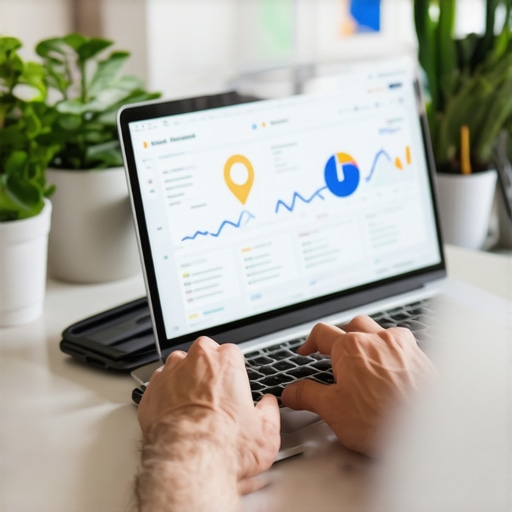
Tracking nuanced user interactions through tools like Google Analytics and Search Console provided me with granular insights into customer behavior. Analyzing data such as bounce rates, conversion paths, and device-specific engagement helped me identify areas for improvement. For example, I optimized my landing pages and CTA placements based on these insights, resulting in higher interaction rates. Regularly refining my profile and content based on data-driven feedback created a dynamic, adaptive local SEO strategy that maintained my competitive edge in a rapidly evolving landscape.
< >
>
Is Personalization and Community Engagement the Future of Local SEO?
Undoubtedly. Personalization, community involvement, and authentic storytelling are increasingly recognized by Google as vital signals of relevance and trustworthiness. I found that sharing genuine stories of local partnerships, customer success, and community service not only humanized my brand but also enhanced my profile’s authority. As Google’s algorithms continue to evolve toward understanding context and user intent more deeply, these personalized strategies will likely become even more critical. For further mastery, explore this comprehensive guide.
Deepening your understanding of these nuanced tactics and sharing your own insights can help shape the future of local SEO. Let’s keep pushing the boundaries of what’s possible in Google Maps ranking strategies—your experience might be the catalyst for others’ breakthroughs.
Things I Wish I Knew Earlier (or You Might Find Surprising)
1. The Power of Community Engagement
Early on, I underestimated how much genuine community involvement could boost my local SEO. Participating in local events and collaborating with nearby businesses created authentic backlinks and trust signals, which Google values highly. It’s not just about links; it’s about building real relationships that translate into better visibility.
2. Behavioral Signals Are More Than Just Buzzwords
At first, I thought reviews and citations were enough, but I realized that clicks, calls, and directions are crucial behavioral signals. When I optimized my profile with clear CTAs and encouraged satisfied customers to engage, my rankings improved noticeably. These signals tell Google your business is popular and relevant.
3. Local Backlinks Are a Long-Term Investment
Instead of quick link schemes, I focused on cultivating local backlinks through sponsorships and guest content. It took time, but these genuine links significantly increased my authority and trustworthiness in Google’s eyes, leading to sustained ranking improvements.
4. NAP Consistency Still Matters
I used to think small discrepancies in my Name, Address, and Phone number didn’t matter. I was wrong. Ensuring NAP consistency across all platforms was fundamental in establishing credibility and improving my local SEO performance.
5. Optimizing for User Intent Makes All the Difference
Aligning my profile with specific local search queries, like “emergency plumber in Downtown,” helped me appear in the right searches. It’s about understanding what your community is looking for and speaking their language.
6. Continuous Effort Beats Quick Fixes
My biggest lesson is that local SEO is an ongoing process. Regular updates, active engagement, and monitoring are key to maintaining and improving rankings over time. It’s a marathon, not a sprint.
Resources I’ve Come to Trust Over Time
- Moz’s Local Listing Score: This tool helped me identify citation discrepancies and improve NAP consistency. It’s reliable and user-friendly, perfect for beginners and pros alike.
- Google’s Keyword Planner: Essential for understanding what local keywords your community searches for. It guided my content strategy and profile optimization.
- Google Analytics and Search Console: For tracking user engagement and behavioral signals. These free tools are invaluable for ongoing optimization and insights.
Parting Thoughts from My Perspective
Looking back, I realize that boosting your Google Maps ranking involves a mix of strategic planning, authentic community involvement, and continuous effort. There’s no magic shortcut, but with patience and persistence, you can see real results. Remember, your local SEO success isn’t just about algorithms—it’s about building trust and serving your community authentically. If this resonates with you, I’d love to hear your thoughts or experiences. Feel free to share or ask questions, and let’s grow together in this journey of local SEO mastery!


Leave a Reply