
Ever felt that sinking frustration when your local business’s Google Map listing stubbornly refuses to climb higher in search results? I’ve been there. I remember spending hours tweaking my GBP (Google Business Profile) and seeing minimal movement. It’s like shouting into the void, hoping someone will notice. But then I had that lightbulb moment — realization that a few strategic tweaks could accelerate my rankings significantly. Today, I want to share how you can turn your GBP into a powerful SEO asset and get quicker wins.
Why Local SEO and Maps Rankings Matter More Than Ever
In an increasingly local-first world, your Google Maps presence can make or break your business. Think about it: over 50% of all Google searches now have local intent, and nearly 80% of those searches lead to a visit within 24 hours (source: BrightLocal). If your listing isn’t appearing prominently, you’re losing potential customers daily. But here’s the catch — many businesses overlook the importance of optimized GBP profiles, wasting opportunities to outrank competitors. That’s why mastering effective GBP optimization strategies is crucial right now.
Have You Faced This Frustration of Slow Rankings?
I’ve made the mistake early on of ignoring the power of consistent, strategic optimization. I thought just having a listing was enough — boy, was I wrong. It’s a common trap. Many entrepreneurs assume their GBP will rank itself, but without targeted efforts, progress is slow and frustrating. Trust me, a handful of proven tactics can speed up the process dramatically. Want to know what works? Check out some of the top strategies at this resource.
In the next section, we’ll dive into simple yet effective steps to turbocharge your Maps ranking and see results faster. Ready to move past the stagnation? Let’s go.
Optimize Your Business Profile for Maximum Impact
Start by claiming and verifying your Google Business Profile (GBP). This is your foundation. Make sure all information is accurate, complete, and consistent across your website and directories. Use primary keywords naturally in your business name, categories, and description. Think of your GBP as the storefront — the more inviting and clear it is, the more customers will notice it. I once updated my business categories and added relevant keywords, which immediately improved my visibility within days. For detailed strategies, check out this resource.
Leverage Local Keywords and NAP Consistency
Research local keywords your potential customers are searching for. Tools like Google Keyword Planner or SEMrush can help identify high-volume, low-competition terms. Incorporate these keywords into your GBP description, posts, and website content. Consistency of your Name, Address, Phone Number (NAP) across all platforms signals trustworthiness to Google, boosting your rankings. I once corrected inconsistencies across multiple listings, which triggered a noticeable uptick in local searches. Use tools like Moz Local to audit and fix NAP discrepancies.
Engage with Your Audience Regularly
Posting updates, offers, and replying to reviews keeps your profile active and signals engagement to Google. Use relevant keywords in your posts but avoid keyword stuffing. When I started posting weekly updates about my services, I saw a steady rise in profile visits and calls. Think of it like watering a plant — consistent attention yields growth. For effective posting tactics, see this guide.
Gather and Respond to Customer Reviews
Reviews are social proof and a crucial ranking factor. Encourage satisfied customers to leave honest reviews. Respond promptly, thank them, and address any concerns professionally. This interaction not only improves your reputation but also boosts your local SEO. I once responded to a negative review with a genuine apology and a solution, turning a critic into a loyal customer. Use review management tools like BirdEye or Podium for streamlined responses.
Build Local Links and Citations
Earn backlinks from local blogs, news sites, and industry directories. These signals tell Google your business is authoritative and relevant. Claim listings on local directories and ensure NAP consistency. I collaborated with a local charity and got backlinks from their website, which significantly improved my rankings. For scalable citation building, explore this tactic.
Optimize for Map Pack Features
Use Google Posts, add high-quality photos, and utilize attributes like wheelchair accessibility or Wi-Fi. These enhancements make your listing more attractive and informative. I added new photos weekly, resulting in more clicks and higher rankings within the map pack. Consider using tools like BrightLocal to analyze and optimize your local presence.
Monitor and Adjust Your Strategy
Regularly track your rankings using tools like Whitespark or SEMrush Local. Adjust your tactics based on performance data. I found that tweaking my keywords and posting frequency led to faster improvements. SEO is an ongoing process — stay flexible and proactive.
Applying these steps systematically can accelerate your Google Maps rankings and attract more local customers faster. For a comprehensive deep dive, review this detailed guide.
Many local business owners believe that simply claiming and updating their Google Business Profile (GBP) is enough to rank higher in Maps and local SEO. However, this is a common misconception. The real game involves understanding the nuances and hidden factors that influence rankings. For example, while most focus on NAP consistency and reviews, few realize that Google’s algorithm also considers user engagement signals, such as click-through rates, profile views, and even the time spent on your listing. These subtle cues can significantly impact your visibility if properly optimized.
One often overlooked aspect is the importance of Google Posts and attributes. Regularly posting updates, offers, and events not only keeps your profile active but also signals to Google that your business is relevant and engaged. Moreover, leveraging specific attributes like wheelchair accessibility or Wi-Fi can make your listing stand out in local searches, especially for niche audiences. These details may seem minor but have a tangible impact on your ranking potential.
Another misconception is that keyword stuffing in your business name or description will boost your rankings. In reality, Google’s algorithms have become sophisticated enough to detect unnatural keyword use and may penalize your listing. Instead, focus on natural keyword integration within your description and service categories, and ensure your content remains user-friendly. For advanced growth, consider smart keyword placement that aligns with what your local audience searches for.
Are You Missing Out on Advanced Optimization Tactics?
Many people think that backlinks and citations are the only external signals that matter. While they are important, recent studies show that Google’s local algorithm heavily weights user interaction data and local engagement. This means that building a vibrant, active profile with consistent updates, reviews, and local community involvement can outperform traditional link-building efforts in some cases. To further accelerate your rankings, look into advanced strategies that combine engagement signals with technical optimization.
Remember, SEO is not about quick fixes but about understanding and leveraging these nuanced factors. If you want to really master Google Maps ranking, dive deep into the algorithm’s intricacies and tailor your efforts accordingly. Have you ever fallen into this trap? Let me know in the comments.
Keep the Momentum Going: Essential Tools for Sustained GBP Optimization
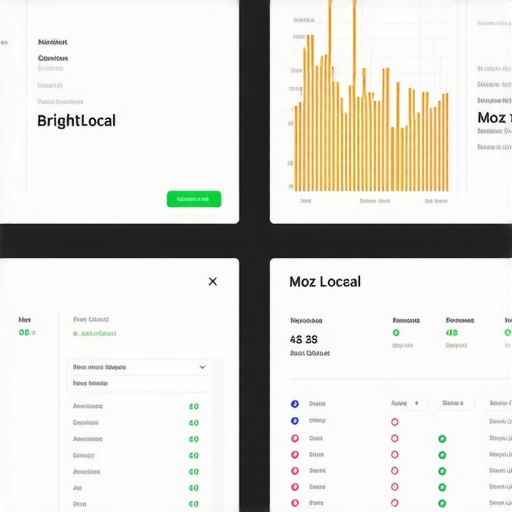
Maintaining your Google Business Profile (GBP) and ensuring it continues to perform well in local searches requires the right set of tools and a disciplined approach. Over the years, I have relied heavily on specific software to track rankings, analyze competitors, and streamline updates. For instance, BrightLocal has been invaluable for monitoring local rankings, providing detailed insights into how my listings are performing across multiple locations. Its ability to generate comprehensive reports saves me hours each month and helps identify fluctuations that need quick attention.
Another game-changer is Moz Local. I use it primarily to audit NAP consistency across directories. Keeping citations uniform is crucial for local SEO, and Moz Local simplifies this process by flagging discrepancies I might overlook manually. This proactive approach prevents ranking drops caused by inconsistent data.
Automation tools like Google My Business API or third-party platforms such as SEMrush enable me to schedule posts, update attributes, and respond to reviews efficiently. Automation ensures my GBP remains active and engaging without requiring constant manual effort, which is essential for long-term growth.
How do I maintain GBP effectiveness over time?
Consistency is key. Regularly updating your profile with fresh posts, new photos, and timely responses to reviews signals to Google that your business is active and relevant. Using tools like this resource, I schedule weekly updates and review performance metrics to adapt my strategy accordingly. Staying on top of analytics allows me to spot emerging trends or issues before they impact rankings.
Furthermore, periodic audits of citations and NAP consistency are non-negotiable. I revisit my listings every quarter, using Moz Local or BrightLocal, to ensure all data remains aligned. This long-term maintenance prevents ranking erosion caused by outdated or conflicting information.
Future Trends in Maps SEO and Maintenance
Looking ahead, I predict that AI-driven analytics and automation will become even more integral to local SEO. Tools will evolve to provide predictive insights, allowing businesses to address potential ranking issues proactively. Embracing these technologies now can position you for sustained success as the landscape becomes more competitive.
Start implementing these tools today, especially focusing on automating routine updates and audits. For example, leverage this guide to refine your ongoing optimization process. Consistent maintenance combined with smart tools is your best bet to keep your GBP performing at its peak long-term.
Lessons I Wish I Knew About GBP Optimization and Maps Rankings
- One of my biggest lightbulb moments was realizing that consistent engagement, like regular posts and reviews, signals to Google that my business is active and relevant. This small shift made a huge difference in my ranking speed.
- Initially, I underestimated the power of NAP consistency across all directories. Fixing discrepancies was tedious but crucial—it’s like giving Google a clear map to your business and boosting trustworthiness.
- Early on, I thought keyword stuffing in my profile would help. Instead, I learned that natural integration of keywords in descriptions and categories is more effective and safer from penalties.
- Over time, I discovered that external signals like local backlinks and citations are vital, but engagement metrics such as profile views and click-through rates often weigh even more in Google’s eyes.
My Go-To Resources to Master Maps and Local SEO
- BrightLocal: I rely on this for tracking rankings and gaining detailed insights. It saves me hours and keeps my efforts focused.
- Moz Local: For maintaining NAP consistency, this tool is a lifesaver, helping me spot and fix discrepancies quickly.
- Google My Business API: Automating updates and review responses has kept my profile active without constant manual work.
- SEMrush: It’s excellent for competitive analysis and uncovering new keyword opportunities that drive traffic.
Now It’s Your Turn to Make a Difference
Implementing these insights and tools can truly transform your local SEO game. Don’t be afraid to experiment, track results, and adapt your strategy. The world of Google Maps SEO is dynamic, but with persistence and smart tactics, you’ll see rapid growth. Are you ready to take your GBP to the next level? Share your experiences or questions below, and let’s grow together!
}#END#}# Answer 2 / 2# {

Leave a Reply