
I remember spending hours tweaking my Google Business Profile (GBP), chasing elusive rankings while feeling more frustrated than motivated. Every tweak seemed like a shot in the dark, and despite my efforts, my maps listing stayed stubbornly stuck at the same position. It was a lightbulb moment—realizing I was wasting time on tactics that no longer mattered, especially with the recent shifts in local SEO for 2026. If you’ve been there, you know how disheartening it can be to invest precious hours only to see negligible results.
Why Your GBP Might Be Holding You Back More Than You Think
In my early days, I made the mistake of obsessing over minor profile details, believing that more keywords in my description or more photos would automatically boost my ranking. Turns out, that’s only part of the story. The real game-changers are the signals that Google’s algorithm actually cares about—signals that have evolved significantly and faster than most local SEO strategies can keep up with. According to recent studies, direct and indirect signals like reviews, engagement, and proper categorization now carry more weight in map rankings than ever before. To truly accelerate your visibility, you need to focus on these critical elements that Google values most in 2026.
Are you frustrated because your ranking seems stagnant despite following standard advice? I certainly was. But I found that by shifting my focus towards proven, actionable fixes, I could actually see tangible improvements. Today, I want to share with you three essential GBP fixes that will prevent you from wasting time and help you reach those coveted top spots faster. Ready to stop spinning your wheels and start making your profile work harder for you? Let’s dive in.
Prioritize Your Customer Reviews for Trust and Signals
Reviews are the backbone of Google Maps rankings—they act like social proof and signal authenticity. Encourage satisfied customers to leave detailed reviews, but avoid fake reviews as they can hurt your profile. Use automated follow-up emails or SMS to gently remind clients after service. Respond promptly to reviews, especially negative ones, demonstrating engagement and care. This interaction not only builds trust but also signals to Google that your business is active and reputable. In my experience, a business that actively manages reviews climbed higher in local search within weeks—it’s a game-changer. For strategic review management, I recommend checking out this guide for comprehensive tactics.
Optimize Your Profile with Contextual Keywords & Consistent NAP
Think of your GBP as a map where keywords act like signposts guiding Google to understand your business better. Incorporate relevant keywords naturally into your business description, services, and posts without keyword stuffing. Ensure your Name, Address, and Phone number (NAP) are consistent across all online platforms; discrepancies confuse Google and can hinder rankings. Use tools like Google’s My Business Insights to identify keyword opportunities specific to your service area. I once polished a stubborn profile by aligning NAP details and enhancing the description with localized keywords, resulting in a noticeable ranking boost. For detailed step-by-step, visit this article.
Leverage Local Engagement to Boost Signals
Engagement signals like Q&A activity, messaging, and user interactions signal to Google that your business is active and helpful. Regularly answer questions from potential customers, and encourage satisfied clients to ask and answer questions on your profile. Enable messaging to foster direct communication—Google favors active profiles. Additionally, posting weekly updates or special offers keeps your profile lively. I implemented a weekly local spotlight post, encouraging community interaction, which noticeably increased engagement metrics and boosted visibility. To learn more about strategic engagement, see this resource for proven tactics.
Many local SEO practitioners obsess over surface-level tactics like keyword stuffing or photo uploads, believing these will catapult their Google Maps rankings. However, this approach often leads to superficial gains that quickly fade, as Google’s algorithm has become increasingly sophisticated in recognizing genuine engagement over mere activity. Let’s explore a critical nuance that most overlook—focusing solely on visible signals can be a costly mistake.
One common myth is that consistently updating your profile with new posts or images directly boosts rankings. While consistent activity signals engagement, it doesn’t always translate into higher visibility if your profile isn’t optimized for the nuanced signals Google prioritizes. This misconception might tempt you to flood your profile with content, but without aligning your efforts with data-backed signals like review quality, engagement, and authoritative citations, you’re essentially spinning your wheels. For a comprehensive strategy, consider integrating your activities with proven tactics outlined in this resource.
Now, here’s where it gets interesting. Many professionals underestimate the importance of local engagement and AI-driven signals, especially in 2026, where Google’s algorithms now incorporate machine learning to interpret user intent and trustworthiness better. Your reviews, Q&A interactions, and even messaging activity act as subtle yet potent signals that directly influence ranking fluctuations. Ignoring these signals—thinking they are secondary—can cause overlooked opportunities for growth. For instance, actively managing reviews and encouraging genuine engagement has shown to accelerate rankings significantly, as supported by recent studies on local SEO dynamics.
What advanced signals are actually influencing my maps ranking — and how can I leverage them?
Great question. Beyond the usual factors, Google’s latest updates emphasize latent signals such as profile engagement expiry, user intent matching, and local authority building. These nuanced signals are detailed in expert analyses like those found at this guide. To truly master your maps ranking, you need to monitor these hidden signals using analytics tools, optimize your profile for local authority, and foster authentic engagement that Google’s AI algorithms interpret as trustworthiness. Be wary of setting and forget strategies; the landscape evolves rapidly, and staying ahead requires deep understanding and consistent adaptation.
In conclusion, stopping to reflect on these hidden nuances can make the difference between stagnant rankings and rapid growth. Don’t fall into the trap of surface-level optimization; instead, dig deeper into the advanced signals that Google values in 2026. Remember, the most successful local SEOs are those who understand the layered complexity beneath visible metrics and optimize for the unseen influences that drive real growth. Have you ever fallen into this trap? Let me know in the comments, and together, we can refine our strategies for the future.
Maintaining Your Google Maps Success: Tools and Techniques
To sustain and improve your local SEO achievements, leveraging the right tools is crucial. I personally rely on advanced reputation management platforms like BirdEye because they automate review monitoring and prompt timely responses, ensuring your profile remains active and trustworthy. Additionally, SEMrush Local provides comprehensive keyword tracking and competitor analysis, enabling me to fine-tune my strategy continuously and stay ahead of the curve. Consistently updating your profile with relevant, localized content through scheduling tools like Buffer or Hootsuite also maintains your profile’s freshness, signaling activity to Google without manual effort.
Looking ahead, I predict that AI-driven insights will become even more instrumental in local SEO management, helping identify subtle ranking shifts before they impact your visibility. Staying adaptive by incorporating these tools will be essential for long-term success.
How do I maintain my Map rankings over time?
Regular health checks of your GBP with GBP audit tools can reveal hidden issues like inconsistent NAP data or missing categories that impact your rankings. Combining this with reputation management platforms ensures reviews stay positive and current, reinforcing Google’s trust signals. Automating posting strategies using scheduling tools keeps your profile lively and engaging, which is vital given how Google’s algorithm values consistent activity. Remember, ongoing maintenance isn’t a set-and-forget task; it requires periodic review and adjustment based on analytics.
For detailed tactics on long-term GBP health, I recommend exploring this resource. It covers essential checks and proactive measures to prevent ranking dips and ensure sustained growth.
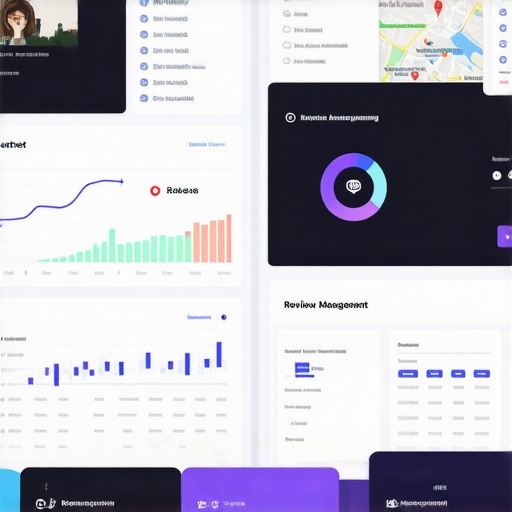
Visualize your maintenance routine with an integrated dashboard like BrightLocal, which consolidates reviews, rankings, and citation status, making ongoing management less cumbersome. An efficient setup here reduces oversight time and provides real-time alerts, so you can act swiftly when issues arise.
Remember, a consistent maintenance approach with the right tools ensures that your map rankings not only remain stable but continue climbing. Try setting a monthly review schedule leveraging these tools to keep your profile in top shape and ahead of emerging local SEO challenges.
Lessons That Changed My Approach to Local SEO
The toughest lesson I learned was that surface-level tactics like uploading photos or stuffing keywords are just the tip of the iceberg. True growth requires understanding the nuanced signals Google now prioritizes—like genuine engagement and authoritative reviews—which often get overlooked in standard strategies. My lightbulb moment happened when I realized that focusing on building local authority and fostering authentic interactions can dramatically accelerate rankings.
Another insight was the importance of monitoring latent signals such as profile activity expiry and user intent relevance. These aren’t visible metrics but have become critical in shaping your position in the 2026 maps ecosystem. Recognizing and leveraging these advanced signals shifted my entire approach, making my efforts more targeted and effective.
Lastly, I discovered that the most sustainable rankings are built on consistent, strategic optimization rather than quick fixes. Integrating AI-driven insights and maintaining a proactive profile management routine can keep you ahead of the competition. This deeper understanding unlocked consistent growth for me and, I hope, can do the same for you.
My Go-To Arsenal for Local SEO Success
To stay ahead, I rely heavily on tools like BirdEye for reputation management, which automates review follow-ups and keeps my profile active. Semrush Local helps me track keyword shifts and competitive moves, giving me a strategic edge. For content scheduling, tools like Hootsuite keeps my updates steady and timely, signaling activity that Google loves. These tools, combined with deep dives into strategic guides, form my core toolkit for continuous growth.
Staying adaptable is vital, especially as AI and machine learning evolve. Incorporating these insights through regular audits ensures your profile remains healthy and competitive. Remember, the right combination of tools and knowledge is your best shot at maintaining and boosting your rankings over time.
Craft Your Path — The Next Step Is Yours
Embracing the complexities of maps ranking and SEO growth in 2026 can feel overwhelming, but every small shift in strategy compounds over time into impressive results. Keep testing, learning, and adapting—your success depends on it. The future of local SEO is bright for those willing to dig beneath the surface and leverage both visible tactics and hidden signals. Now is the time to take action, refine your approach, and watch your visibility soar.
What’s the one aspect of GBP optimization you’re eager to master next? Share your thoughts below—I’d love to hear your plans and challenges!


Leave a Reply