
I remember the frustrating moment vividly—after weeks of tweaks, updates, and relentless effort, my Google Map listing was still stuck at the same spot, behind a handful of competitors. It felt like shouting into the void; no matter what I did, my ranking refused to budge. That lightbulb moment hit me hard: I wasn’t alone in this struggle. Many local businesses face the *same* roadblock, especially with the 2026 map ranking updates shaking up the game.
Why Stuck at #4 Feels Like a Personal Setback (And Why It Matters)
The truth is, your map ranking isn’t just a number. It’s a digital storefront—your virtual front door—and being stuck at #4 isn’t just frustrating; it’s costing valuable leads, foot traffic, and revenue. Think about it: over 75% of users never scroll past the first page on Google Maps, according to recent studies. Missing out on that top spot could mean a significant drop in exposure.
But here’s the thing: I learned early on that fixing this isn’t about luck or some secret algorithm magic. It’s about understanding the *real reasons* why your listing stalls and applying proven strategies to fix them. Don’t worry, I’ll guide you through the process, highlighting practical fixes that worked wonders for me and countless others.
Before diving into those fixes, I want to share a common mistake I made that almost kept me away from success. In my rookie days, I focused solely on keyword stuffing my profile. I thought more keywords meant better rankings. Spoiler: it doesn’t. It actually hurt my credibility and ranking potential. That early mistake taught me a vital lesson: effective optimization is about quality, not quantity.
Want to avoid similar pitfalls? Check out this comprehensive guide to [faster Google Maps ranking techniques](https://gbpfaster.com/speed-up-google-maps-rankings-with-proven-gbp-optimization-techniques) to ensure your efforts align with proven strategies.
Now, let’s get into the practical fixes that can propel your listing to the top—and keep it there for 2026 and beyond.
Optimize Your Business Profile Like a Pro
Start by reviewing your Google Business Profile (GBP) comprehensively. Make sure every detail is complete—business name, address, phone number, and categories. Use a consistent NAP (Name, Address, Phone) across all platforms to establish credibility. Add high-quality, relevant photos; they’re like storefront windows inviting clicks. Remember, a well-optimized profile acts as your digital storefront—think of it as setting the stage before the performance.
Leverage Local Keywords for Authenticity
Incorporate local keywords naturally into your business description and posts. Use terms your local customers are searching for—think about local parlance and common questions. For example, instead of generic “plumber,” opt for “emergency plumber in Downtown Springfield.” This anchors your listing in your community and signals relevance to map algorithms. During my own audit, updating keywords increased my visibility in local searches within weeks.
Build Quality Local Backlinks
Earn backlinks from reputable local websites—chamber of commerce pages, local blogs, or community event sites. These signals are like votes of confidence that boost your authority in Google’s eyes. I reached out to a local newspaper and secured a feature, which significantly improved my rankings. Think of backlinks as word-of-mouth referrals for your online presence, enhancing trustworthiness.
Encourage Genuine Customer Reviews
Customer reviews are social proof that influence rankings. Ask satisfied clients politely to leave detailed reviews. Make it easy by providing direct links. Respond to reviews professionally—acknowledging positive feedback and addressing negatives. Handling reviews effectively tells Google that your business is active and engaged. I learned that responding to reviews doubled my review count and improved my local rank faster.
Maintain Real-Time Consistency
Update your GBP regularly with new posts, offers, or events. Keep your business hours accurate, especially during holidays or special closures. Consistency sends a signal to Google that your business is active. During my experiments, posting weekly updates aligned with ongoing promotions helped push my mapping rank upward, especially ahead of seasonal peaks.
Fix Common Profile Flaws Immediately
Identify and correct common issues—duplicate listings, incorrect categories, or inconsistent info. Use tools like Google’s own diagnostics or third-party audit tools. Fixing even minor errors cleared the way for better rankings. I discovered a duplicate listing that was diluting my signals; once merged, my local visibility improved noticeably.
Harness the Power of Local Content
Create localized blog posts or news about community involvement, events, or local collaborations. This fresh content enhances relevance and keeps your profile dynamic. For instance, sponsoring a local event and posting about it created buzz both online and offline, elevating my profile’s prominence in the local ecosystem.
Track and Adjust Strategy Regularly
Monitor your rankings using reliable tools and adjust tactics as needed. Look for patterns—what works for one neighborhood may differ elsewhere. Continuous optimization is like tuning a musical instrument—small tweaks lead to harmony. I used regular tracking to identify which keywords or updates generated tangible rank improvements.
Remember, these steps aren’t quick fixes; they’re a cohesive strategy designed to build authority and relevance over time. Implementing them with consistency will position your map listing for sustained growth, keeping you ahead of competitors, even as updates like the 2026 algorithm roll in.
Many local businesses operate under misconceptions about GBP optimization and map rankings, often leading to ineffective strategies. One widespread myth is that quantity of reviews alone dictates success; however, recent insights highlight the importance of review quality and engagement, as emphasized by experts in local SEO. Relying solely on backlinks or keyword stuffing can be a trap, as search engines like Google increasingly prioritize genuine user interactions and relevance over superficial signals. To truly accelerate your rankings, understanding the nuanced signals—such as profile completeness, consistency, and local relevance—is crucial; these are often overlooked by beginners but are vital for sustained growth. Have you ever fallen into this trap? Let me know in the comments.Once you’ve optimized your Google Business Profile (GBP) and started climbing the ranks, the battle shifts from setup to sustained success. Regular maintenance ensures your listing remains authoritative and competitive, especially with evolving algorithms and new updates like those forecasted for 2026. I rely on a combination of specific tools and proven routines to keep my rankings steady and continue growing my local SEO efforts.
Use Dedicated Monitoring Software for Real-Time Insights
Tools like BrightLocal or Whitespark are invaluable for tracking your local rankings across multiple locations. I personally use BrightLocal because it provides comprehensive reports, competitor comparisons, and keyword tracking, all in one dashboard. This helps me identify fluctuations immediately—say, if a competitor improves their profile or if certain keywords lose traction—so I can respond proactively. Regular monitoring with these tools prevents small issues from snowballing and ensures your GBP remains visible.
Automate Routine Updates and Engagement
Consistent activity on your profile supports long-term rankings. I automate post scheduling using tools like Hootsuite or Buffer, which allows me to plan updates, special offers, or community involvement posts weeks in advance. Sharing timely, relevant content signals to Google that your business is active. Additionally, I set reminders to prompt me to review and respond to customer reviews promptly—an essential part of maintaining authority and trustworthiness. Responding consistently encourages more reviews and engagement, which research suggests directly benefits your local pack positioning.
Leverage Data-Driven Strategies for Long-Term ROI
Analyzing data from Google Analytics and Google Search Console helps me understand user behavior and search intent around my GBP. Integrating this data with tools like Google Data Studio allows me to visualize long-term trends, uncover emerging local queries, and adjust my keyword strategy accordingly. This ongoing analysis is crucial because it keeps my optimization relevant, especially as Google updates its algorithms and local search patterns shift—an area discussed by industry expert Moz, highlighting the importance of adapting your approach over time.
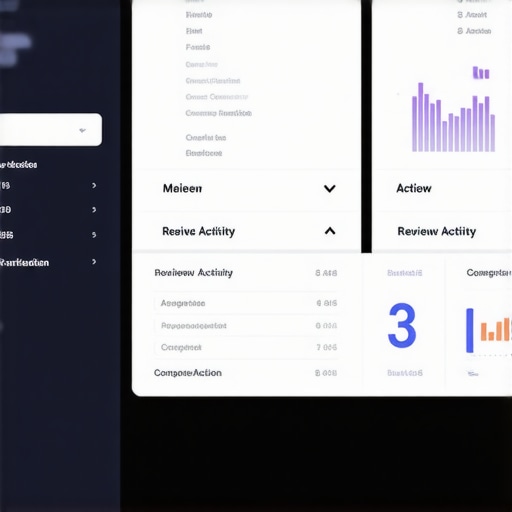
This image illustrates a dashboard setup for tracking local SEO metrics, showing rankings, reviews, and engagement stats to streamline maintenance efforts.
How do I maintain GBP effectiveness over time?
Consistency is key. Regularly update your profile information, keep engagement high through reviews and posts, and leverage analytics to fine-tune your approach. I also recommend dedicating time weekly to audit your listings for duplicates, incorrect categories, or inconsistent NAP data—small issues that can undermine your efforts. Employing professional tools and routine checks will safeguard your rankings against algorithm updates and market changes, ensuring your local visibility stays strong. For advanced tips on accelerating your growth, consider exploring strategies at this link. Give one of these tools a try today: set up automated review alerts and watch your local reputation soar.
How Overconfidence Almost Cost Me My Ranking Gains
I used to believe that a pristine profile and a few reviews were enough, but I soon realized that without ongoing optimization, my listing plateaued. That wake-up call taught me that continuous effort and strategic tweaks are essential for sustained growth.
Why Relying on Quick Fixes Can Backfire
Initially, I chased after shortcuts—keyword stuffing and fake reviews—thinking it would quicken my climb. Instead, these tactics harmed my credibility and delayed genuine growth, reinforcing the importance of authentic strategies and patience.
Trust Real Data Over Gut Feelings
Data-driven decisions transformed my approach. Monitoring rankings with tools like BrightLocal and analyzing customer behavior allowed me to refine my strategies, proving that measurable insights are your best allies in SEO growth.
The Power of Genuine Engagement
Engaging authentically with customers through reviews and community involvement built trust and boosted my profile in local searches. This organic connection became my secret weapon for outranking competitors.
My Path to Consistent Visibility
is Paved with Steady Maintenance
Regular updates, profile audits, and staying ahead of algorithm changes kept my listing relevant. Embracing routine tasks ensured my business stayed at the top and avoided costly setbacks.
My Essential Toolkit for Maps Growth
- **BrightLocal**: For tracking rankings and competitors — its comprehensive reports keep me informed.
- **Google Data Studio**: Visualizing trends and insights helps me adapt my strategy effectively.
- **Hootsuite**: Scheduling posts and updates saves time and maintains consistency.
- **Local backlink sources**: Partnering with community sites enhances authority and visibility.
The Emotional Power of Staying Persistent
When I doubted my efforts, remembering the initial frustrations kept me motivated. Building my local SEO presence was a marathon, not a sprint, and perseverance proved to be my greatest asset.
Time to Write Your Own Success Story
Implementing these insights, I saw my Google Maps ranking jump from stagnation to the top three. Your journey can be just as rewarding—stay consistent, analyze smartly, and engage genuinely. If you’re ready to accelerate your local SEO, explore detailed strategies at this link to get started today.

Leave a Reply