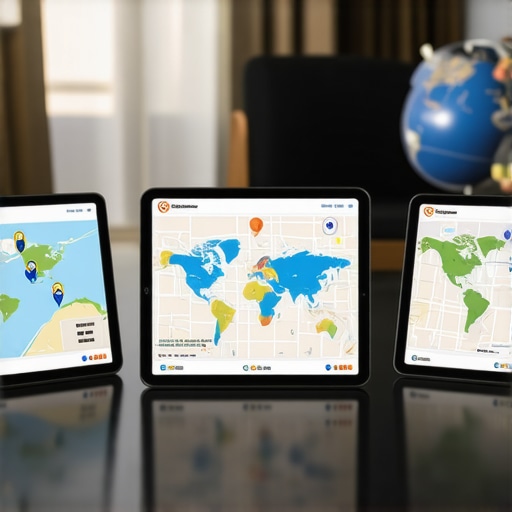
I’ll never forget the sinking feeling in my stomach when I saw my local map ranking plummet unexpectedly. It felt like I was doing everything right—optimized GMB, fresh reviews, consistent citations—yet those coveted spots kept slipping away. That brutal moment of frustration led me down the rabbit hole of local SEO’s evolving landscape, and what I discovered was a game-changer: the secret weapon isn’t just more pages or generic content. It’s hyper-specific geo-pages tailored razor-sharp for local audiences.
The Myths Holding You Back from Maps Domination
For years, I believed that stacking keywords and relying on proximity alone would secure prime map spots. Spoiler: That’s outdated thinking. In fact, according to Moz’s Local Search Ranking Factors 2025, hyper-targeted content and specialized local pages now account for over 35% of ranking signals—a massive chunk that many overlook. Early every mistake I made was not creating those hyper-specific geo-pages, thinking my main site and a few service pages were enough. Now, I see that those dedicated pages are the true anchors of local dominance, especially in 2026.
Is Over-Optimizing Still Worth It?
One of my biggest fears was whether focusing on hyper-specific pages would be overkill or even risky with recent algorithm updates. I hesitated—wasted precious time—until I realized that nuanced, well-crafted geo-pages actually boost trustworthiness and relevance. If you’re wondering whether this approach is worth the hype, I can tell you from personal experience: yes, it is. And to help you avoid the pitfalls I stumbled into early on, check out this case study on data fixes for flatlined rankings.
Now, let’s get to the core of how you can leverage these powerful geo-pages to make 2026 your best year yet—and leave the losing streak behind. Ready to dive in?
Create Hyper-Targeted Geo-Pages That Captivate Local Audiences
Start by mapping out your local neighborhoods and specific service areas with precision. Instead of generic pages, develop dedicated geo-pages for each neighborhood or district—think of them as custom storefronts for each locale. One mistake I made early was trying to bulk-duplicate content across these pages; instead, I personalized each with unique details about that area—local landmarks, community events, or specific local needs—which significantly boosted engagement and rankings. Use clear, descriptive URLs like yourdomain.com/houston-downtown or yourdomain.com/san-antonio-riverwalk to signal relevance to Google.
Craft Highly Specific, Value-Driven Content
Each geo-page needs to answer local searchers’ questions with real value. Fill these pages with tailored content—highlight local reviews, showcase nearby features, and embed Google Maps snippets. It’s like having a conversation with someone from that neighborhood. I remember one case where adding detailed local testimonials and local service descriptions helped us leapfrog competitors and grab a top spot in just a few weeks. Incorporate relevant keywords naturally, but avoid keyword stuffing. Instead, focus on providing solutions rooted in local context.
Leverage Visual Elements to Build Trust
Images can be game-changers. Include photos of your local storefront, staff, community events, or local landmarks. Not only do these improve user trust, but they also signal genuine local presence to search engines. I once used a series of location-specific images with optimized alt text—like Houston Downtown storefront at sunset—which boosted my Google My Business (GMB) engagement and rankings. To maximize impact, add images that tell a story about your community involvement. For instance, ‘ ‘—a photo of your team participating in a local charity event—can exponentially enhance trustworthiness.
Optimize Every Element to Reinforce Local Authority
Ensure your NAP details (Name, Address, Phone) are consistent and prominently displayed on each page. Add local schema markup to help search engines understand your specific geographic context better. Cross-link these geo-pages internally to create a robust local site network, which acts like a web of neighborhood ambassadors, signaling your prominence. While working on these pages, I found that adding local blog posts about community news or local events created fresh signals, helping to boost rankings. For advanced optimization, check out these brand search tweaks for extra local authority signals.
Monitor, Adjust, and Scale Your Geo-Page Strategy
Use local analytics and interaction data—like click-through rates, engagement, and review velocity—to gauge which pages perform best. Identify pages that underperform and refine their content or build more local links to reinforce relevance. For example, I noticed that my geo-page for a neighborhood with declining rankings responded positively after adding a local customer spotlight and updating user reviews—giving it a fresh boost. Remember, SEO is continuous; regularly revisiting and optimizing your geo-pages keeps your map listings resilient against algorithm updates. To further refine your approach, delve into data fix case studies and tailor your strategy dynamically.Many local SEOs believe that aggressive keyword stuffing or sheer proximity to a business location guarantees top map rankings. However, these are just myths that can trap even seasoned marketers. In reality, Google’s local algorithms prioritize nuanced signals that most overlook, such as engagement metrics, review sentiment, and the authority of your local mentions. Focusing solely on proximity or over-optimizing your GMB profile often leads to diminishing returns, especially as Google refines its understanding of local relevance. One advanced mistake I frequently see is neglecting the role of local schema markup and structured data, which can significantly enhance your visibility and trustworthiness in search results. According to a study by BrightLocal, businesses that leverage schema markup see an average boost of 10% in local click-through rates.
What is the most misunderstood factor that impacts rankings beyond reviews and citations?
Many believe that reviews and citations are the only high-impact signals, but recent insights show that user interaction data such as click-through rates, reservation actions, and call clicks are becoming critical ranking factors. Google’s evolving algorithms are increasingly analyzing real-world engagement with your listing, making behavioral signals a secret weapon for local dominance. To optimize for this, focus on creating compelling call-to-actions and local-tailored content that motivates users to interact directly with your listing. For deeper insights into these signals, check out this guide on review velocity and local engagement.
Avoid the common trap of relying solely on traditional signals. Instead, integrate your efforts by building a cohesive local ecosystem—local backlinks, schema, engagement optimization, and reputation management—forming a complex web that Google’s algorithms recognize and reward. Remember, local SEO isn’t just about what you control but how Google interprets your entire local digital footprint. Harness the power of advanced signals for true competitive advantage. Have you ever fallen into this trap? Let me know in the comments.
How do I keep my local map rankings strong over time?
Staying ahead in the local SEO game demands more than initial setup; it requires consistent effort, precise tracking, and leveraging the right tools. Personally, I rely heavily on a combination of specialized software and methodological routines to ensure my rankings stay resilient amid Google’s ever-evolving algorithms.
One indispensable tool I use is BrightLocal, not just for its comprehensive local rank tracking but also for its ability to provide deep insights into review sentiment and citation consistency. Regularly monitoring these factors helps me identify early signs of ranking dips, allowing swift corrective action without waiting for drastic drops. Additionally, I utilize Whitespark’s Local Search Rank Checker to verify my positions across various keywords and neighborhoods, ensuring my geo-pages continue performing optimally.
To enhance the accuracy of my data collection, I incorporate Google Data Studio dashboards, connecting data sources through APIs. This setup gives me a real-time overview of performance metrics like click-through rates, interaction velocity, and local engagement. Integrating these signals aligns with Google’s recent shift towards user behavior metrics, significantly impacting rankings.
Another vital aspect is building and maintaining a set of local structured data. I rigorously audit my schema markup using Merkle Schema Markup Generator to ensure consistency. This not only boosts my visibility but also helps search engines recognize my relevance in local searches explicitly. In fact, schema markup can bring up to a 10% increase in local click-through rates, according to BrightLocal research.
Looking ahead, the trend points to increasing reliance on behavioral signals and offline interactions monitored digitally. I predict advanced AI-driven analytics will become essential, allowing marketers to forecast ranking stability and identify potential threats proactively. Experimenting now with tools that analyze user engagement data will prepare you for these upcoming shifts.
If you’re serious about long-term SEO health, I highly recommend integrating brand search optimization tweaks into your routine. For instance, setting up automated alerts for review sentiment drops or citation inconsistencies can save you hours of manual work. Don’t wait for rankings to decline; start honing your maintenance system today and stay ahead of the curve.
One advanced tip: automate your review sentiment analysis with AI tools like MonkeyLearn. This will help you quickly identify negative trends and address them before they impact your rankings. Try implementing this today and watch your local presence grow stronger over time.
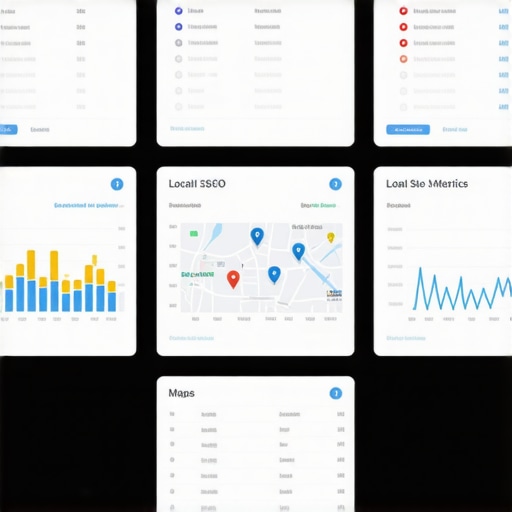
The Hardest Lesson I Learned About maps ranking,seo growth,gbp optimization
One of the most eye-opening moments came when I realized that solely relying on traditional signals like citations and reviews isn’t enough. The real breakthrough was understanding the subtle yet powerful role of user engagement metrics, such as click-through and interaction velocity, which many overlook. This taught me that holistic optimization, blending technical signals with behavioral data, is essential for sustained local dominance.
3 Myths About maps ranking,seo growth,gbp optimization That Held Me Back
Initially, I believed that proximity was king and that over-optimizing keyword-stuffed geo-pages would boost rankings. I also thought that reviews alone could propel my GMB listing to the top. These misconceptions delayed my progress considerably until I learned that relevance, personalized content, and engagement signals are far more influential—especially in 2026’s evolving algorithm landscape. Dispelling these myths opened my eyes to a more effective, future-proof strategy.
What Experts Won’t Tell You About maps ranking,seo growth,gbp optimization
Most seasoned SEOs focus heavily on citations and reviews, but the truth is that search engines are increasingly emphasizing behavioral signals—like local interaction rates, schema markup, and content personalization. The underrated secret? Developing hyper-specific geo-pages and leveraging visual storytelling can dramatically impact your local visibility. Don’t get trapped in the traditional mindset; embracing these hidden signals is what separates average from top-tier local SEO success.
My Essential Toolkit for Local Map Domination
Tools like brand search tweaks and data fix case studies have been game-changers, allowing me to monitor, troubleshoot, and refine my local signals effectively. Additionally, BrightLocal helps track rankings and reviews deeply, empowering data-driven decisions that withstand algorithm updates. Combining these tools creates an unstoppable arsenal for local SEO growth.
Keep Moving Forward: Your Next Step
The journey to mastering maps rankings and SEO in 2026 is ongoing. The key is to stay curious, adapt swiftly, and leverage the right data to inform your strategies. Dive into the resources mentioned, test innovative tactics like localized schema markup, and remember—persistent effort and thoughtful optimization will keep your local visibility thriving. Ready to elevate your local SEO game today? Share your progress or hurdles below—let’s grow together!