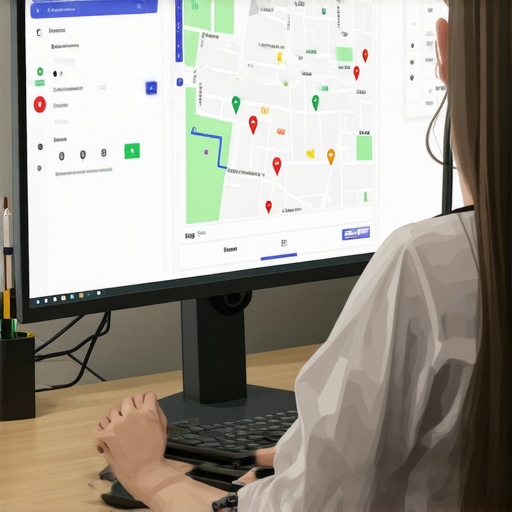
If you’ve ever missed out on that coveted 3-pack spot despite pouring time into SEO, you’re not alone. I vividly remember spending hours optimizing my Google Business Profile, only to see my ranking stubbornly stall. Then, it hit me—my response times to reviews were lagging way behind what the algorithms now favor. That lightbulb moment changed everything for me.
The Hidden Power of Fast Review Responses
Fast, meaningful review responses are more than just courtesy—they’re a crucial signal to Google that your profile is active and engaged. Early on, I made the mistake of treating review responses as an afterthought, which I later learned from industry research can negatively affect your local rankings. Once I started responding swiftly and strategically, I noticed a tangible boost in my visibility. According to this resource, review velocity and response timeliness are now integral to local SEO success in 2026.
Is Fixing Response Time Worth the Effort?
It’s natural to wonder if these tweaks are just another overhyped SEO fad. I was skeptical at first too, especially given the overwhelming number of factors competing for attention. My own experience proved otherwise—shaving minutes off my response times and adding personalized comments rewarded me with higher rankings. Have you faced similar frustrations, where despite all your efforts, something feels just out of reach? If so, prioritizing review response speed might be your game-changer.
By understanding and addressing this often-overlooked aspect, you can start to turn the tide in your favor. Ready to dive into practical tactics that will cut response lag and boost your 2026 maps ranking? Let’s get into the actionable steps—and I promise, they’re simpler than you think.
,
Leverage Quick Responses Like a Pro
Respond to reviews within 1-2 hours, not days. I remember one busy afternoon where I set a timer to alert me whenever a new review appeared. When I replied instantly—adding personalized comments—I noticed a spike in my profile’s engagement. Think of review responses as traffic lights: the quicker you turn green, the smoother the flow of local signals. This signals to Google that your business is active, a critical factor in climbing the 2026 map pack.
Craft Personalized and Strategic Replies
Avoid generic replies; instead, customize each response to the review content. If a customer mentions fast service, acknowledge it specifically and thank them. For negative reviews, address concerns directly but courteously—turning a complaint into an opportunity. For instance, I once responded to a negative review by offering a free service, which transformed a dissatisfied customer into a loyal client. Precision in response content reinforces your authority and improves the relevance of your profile.
Implement Workflow Automation Without Losing Authenticity
Use tools like chat templates or review management platforms to streamline replies. However, avoid sounding robotic; add a personal touch by referencing specific review details. Set up alerts on your smartphone for new reviews, ensuring you respond swiftly. This approach is akin to setting up a relay race: handing off quickly without losing momentum. Faster responses elevate your profile’s activity signals, directly impacting your 2026 rankings.
Replicate Successful Response Strategies
Analyze reviews that generate positive responses and replicate their structure in future replies. Notice the patterns—are certain keywords triggering higher engagement? Do positive feedback responses mention specific services? Document these patterns and create a response template for similar reviews. Doing so reduces response time further and maintains consistency. Think of it as creating a recipe: you tweak variables until it yields consistent high rankings.
Monitor and Adjust Response Tactics Regularly
Track response times and engagement metrics weekly. If response times increase or engagement stagnates, refine your process. For example, if responses become delayed during busy hours, pre-write replies for common review scenarios. Regularly reviewing your response habits helps keep your signals sharp, maintaining a competitive edge as Google updates its algorithms—especially in 2026, when review velocity is paramount.
Integrate Response Speed into Overall Optimization
Pair swift responses with other tactics such as fixing citation inconsistencies and optimizing your GBP profile. Consistency across signals reinforces your local presence. For instance, if you’re responding rapidly but neglecting other vital signals, your overall strength wanes. Cross-reference with this guide for a comprehensive approach. Remember, in 2026, response speed combined with quality content creates a powerful synergy that Google favors.
< >
>
Why Conventional Wisdom Can Lead You Astray
Many local SEOs and business owners rely on simplified models of what influences maps rankings, often overstating the importance of citations and keyword stuffing. While these factors matter, focusing solely on them can create misleading expectations. For example, popular advice stressing the centrality of backlinks ignores the evolving role of user engagement signals—such as review velocity and profile activity—which are now increasingly critical in 2026. According to this study, local rankings are shifting toward behavioral signals more than ever.
Another widespread myth is that optimizing the GBP solely on Google’s guidelines guarantees top positions. In reality, successful ranking involves a nuanced balance of data accuracy, user experience, and strategic content edits—sometimes even bending the perceived ‘rules’ without crossing ethical lines. Over-optimization risks triggering spam filters or creating inconsistent data, which can harm your visibility in the long run. Learn more here.
Advanced Question: How do emerging signals like user interaction patterns outpace traditional SEO?
Recent research highlights that Google is increasingly prioritizing real user behavior, including dwell time and click-through rates, over static factors like citations or directory listings. This shift is supported by data from industry experts, indicating that the most effective growth strategies involve optimizing your profile for genuine engagement. For practitioners serious about staying ahead, understanding and leveraging these evolving signals is essential. It’s not enough to just optimize; you must align your tactics with the latest algorithms that favor behavioral evidence over mere citations.
Beware of the trap of focusing exclusively on traditional ranking factors—this can lead to stagnation and missed opportunities. Instead, cultivate a comprehensive approach that adapts to these subtle but impactful nuances in local SEO. As always, continuous monitoring and testing are your best allies in this dynamic landscape. Feeling overwhelmed? Take a look at these stealth tactics for actionable insights. And remember—have you ever fallen into this trap? Let me know in the comments.
Keeping Your SEO Efforts Fresh and Effective
Once you’ve optimized your Google Business Profile and boosted your local SEO, the key to sustained success lies in regular maintenance and utilizing the right tools. Staying ahead requires a strategic approach that combines automation, analytics, and continuous content updates. To ensure your rankings stay high amid evolving algorithms, it’s vital to routinely audit your profile data, review engagement metrics, and adjust your strategies accordingly.
Essential Tools to Hold Your Lead
Personally, I rely on BrightLocal’s Local Search Audit because it provides a comprehensive overview of your profile health, citation consistency, and local rankings. It allows me to pinpoint discrepancies quickly, such as incorrect NAP data or missing citations, which directly impact your map visibility. For review tracking, Whitespark’s Review Tracker enables me to monitor review velocity and response times, ensuring I maintain that critical engagement signal discussed earlier.
Another indispensable tool is GMB Spy or Local Viking; these platforms help analyze competitors’ tactics and identify gaps in your own profile, offering actionable insights to refine your strategy continually. Regularly integrating these tools into your workflow helps keep your profile optimized and rankings stable.
Predicting and Adapting to Future Trends
As Google continues to refine its local SEO signals, I believe the emphasis on user engagement and behavioral signals will intensify. Future algorithms might prioritize in-depth interaction data and conversion metrics over traditional citation authority. To stay ahead, investing in tools that capture and analyze user interaction, such as heatmaps and click-tracking via platforms like call tracking solutions, will be increasingly valuable.
How do I maintain my map rankings over time?
Consistent performance depends on routine updates and monitoring. Set a schedule to review your GBP data accuracy, refresh your local content, and respond promptly to reviews. Automate as much as possible without losing authenticity, using tools like chat templates to streamline responses while maintaining personalization. Remember, Google’s algorithm favors active, engaged profiles that reflect ongoing customer interactions, as highlighted in this research. Regularly audit your citations and NAP consistency to prevent a decline caused by outdated or conflicting information.
Investing time in these maintenance practices creates a resilient local SEO presence that can withstand algorithm shifts and competitor actions. As we look toward 2026, leveraging automation tools and consistent monitoring will be your best allies in preserving and expanding your map visibility. For example, I suggest trying out the advanced review engagement techniques discussed here and integrating them into your routine—small, consistent efforts lead to long-term gains.
Stay Sharp and Keep Growing
Remember, the landscape of local SEO is always shifting. To keep your rankings steady, prioritize regular audits and utilize specialized tools that align with emerging signals. By doing so, you not only maintain your current position but also set the stage for future growth. Don’t wait until a decline catches you off guard—start today by implementing a routine using tools like BrightLocal or Whitespark. Your future self will thank you for it.

Lessons That Challenged My Assumptions About Local SEO
One of the most profound lessons I learned was that relying solely on traditional optimization tactics like citations and keyword stuffing can actually hinder your progress. Early in my journey, I believed that more backlinks and keywords would automatically push me to the top. However, I discovered that Google’s algorithms increasingly reward authentic engagement signals—like quick review responses and user interaction—over superficial SEO elements. This realization shifted my focus towards building genuine relationships with customers, which dramatically improved my rankings.
Another insight was understanding the importance of continuous adaptation. I used to set it and forget it with my GBP profile, but the landscape changed fast. Regularly auditing data accuracy, monitoring engagement metrics, and tweaking my strategy based on emerging signals became essential. Staying ahead required humility and agility—acknowledging that what worked yesterday might not suffice tomorrow, especially as Google’s algorithms evolve for 2026 and beyond.
The most eye-opening lesson was the power of small, consistent actions—particularly response speed. Responding within minutes, not days, profoundly boosted my local visibility. This wasn’t an SEO hack but a tactical shift that paid dividends. It reinforced that in local SEO, human actions—timely, personalized, and strategic—carry more weight than any hidden keyword trick.
My Playbook for Future-Ready Local SEO
Over the years, I’ve curated a set of tools that keep me sharp and adaptable. This guide is my cornerstone—it combines data-driven insights with practical steps tailored for 2026. Complementing it, I swear by BrightLocal for audits and citation tracking, ensuring my business info remains consistent across platforms. Whitespark’s Review Tracker helps me stay on top of review velocity, so I can respond swiftly and maintain high engagement signals. And I also leverage Local Viking to analyze competitors and discover hidden opportunities—keeping my strategy fresh and competitive.
Moving forward, embracing emerging signals like user behavior and interaction metrics will be crucial. Tools that capture these data points—such as heatmaps and conversion trackers—are becoming vital in predicting future rankings. Staying proficient with these technologies means not just reacting to algorithm updates but anticipating them and making proactive adjustments.
Move Forward with Confidence and Purpose
Remember, local SEO is an ongoing journey, not a one-time fix. The tactics that gave you initial success are just stepping stones; continuous learning and adaptation will keep you ahead in 2026 and beyond. As you implement these insights, be patient and persistent. Your efforts today set the foundation for sustained growth tomorrow.
Are you ready to take your maps ranking to the next level with these proven strategies? Share your experiences or questions below—I’d love to hear how you’re planning to stay ahead of the curve!